gemstone cutting is a complex and highly specialized process involving planning, faceting, cutting, polishing, and final inspection.
The Cutting Process
Planning
The cutting process begins with a careful economic analysis of the raw stone. Two main aspects determine its final appearance:
Maximizing Return on Investment
Ensuring Quick Sale of the Finished gemstone
Maximizing Stone Value
Maximizing the price of the resulting gemstone is both an art and a science. The choice of cut is influenced by various factors. Market factors include the exponential increase in the value of the stone with its growing size, as well as maximizing weight (weight retention) and the popularity of certain designs among customers. Physical factors include the original shape of the raw stone and the location of inclusions and flaws, which must be minimized.
Weight Retention
Skilled lapidaries strive to maximize weight retention while achieving the desired shape and proportions. This not only preserves the value of the gemstone but also allows for larger and more impressive finished pieces. However, weight retention must be balanced with the quality of faceting. The precision of faceting is paramount, with lapidaries meticulously calculating angles and proportions to optimize light reflection and brilliance. Meeting points, where facets intersect, must be closely aligned to ensure symmetry and minimize light leakage, enhancing the gemstone's overall appeal and value.
Common mistakes in the cutting and polishing process can also impact a gemstone's value. Improper polishing lines, for example, can diminish clarity and create distracting visual effects. Additionally, critical angle errors—where the angle of a facet is either too low or too high—can compromise a gem's brilliance and color intensity. Lapidaries must navigate these challenges with expertise and precision to produce gemstones of exceptional quality and value.
Color Retention
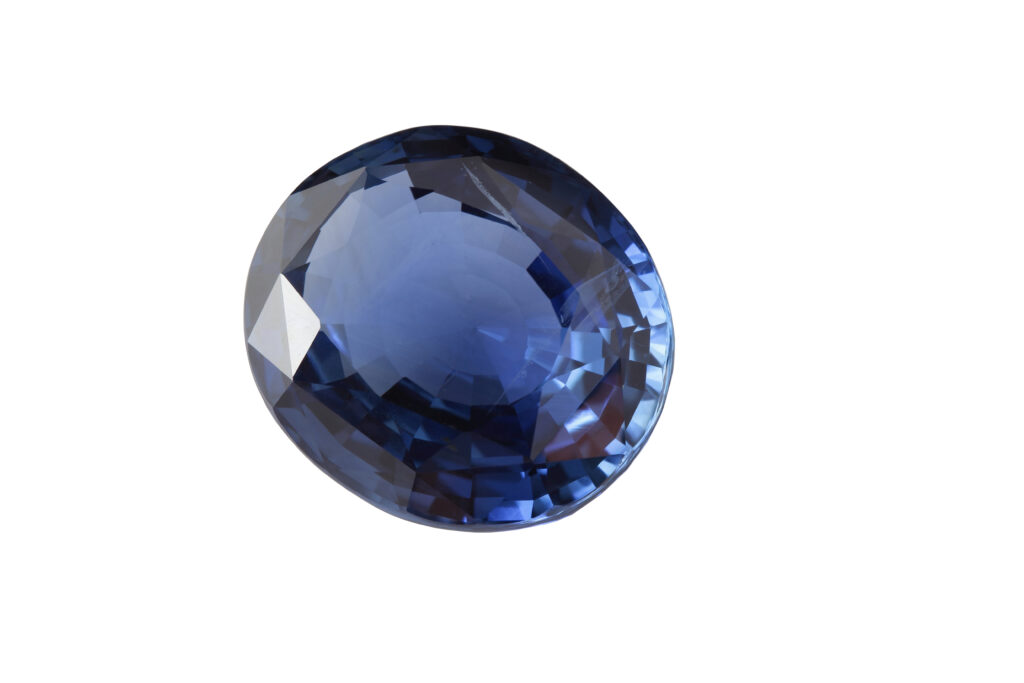
For colored gemstones, the cutter can influence the stone's color to increase its value. Certain designs are used to enhance the hue - a great example being the radiant shape. Precise cutting techniques are employed to ensure that the gem retains its natural color and vibrancy, enhancing its overall beauty. By strategically orienting facets and minimizing material loss, lapidaries aim to showcase the gem's inherent colors to their fullest potential
Return on Investment
Return on investment (ROI) in the gem industry is heavily influenced by the quality of the gemstone, including factors such as its cut, color, and type. Well-cut gemstones with precise faceting and optimal proportions tend to command higher prices and can yield greater ROI due to their enhanced brilliance and visual appeal. Similarly, gemstones with rare and vivid colors, such as intense blue sapphires or vibrant red rubies, often fetch higher returns compared to stones with less desirable hues.
Sawing and Cutting
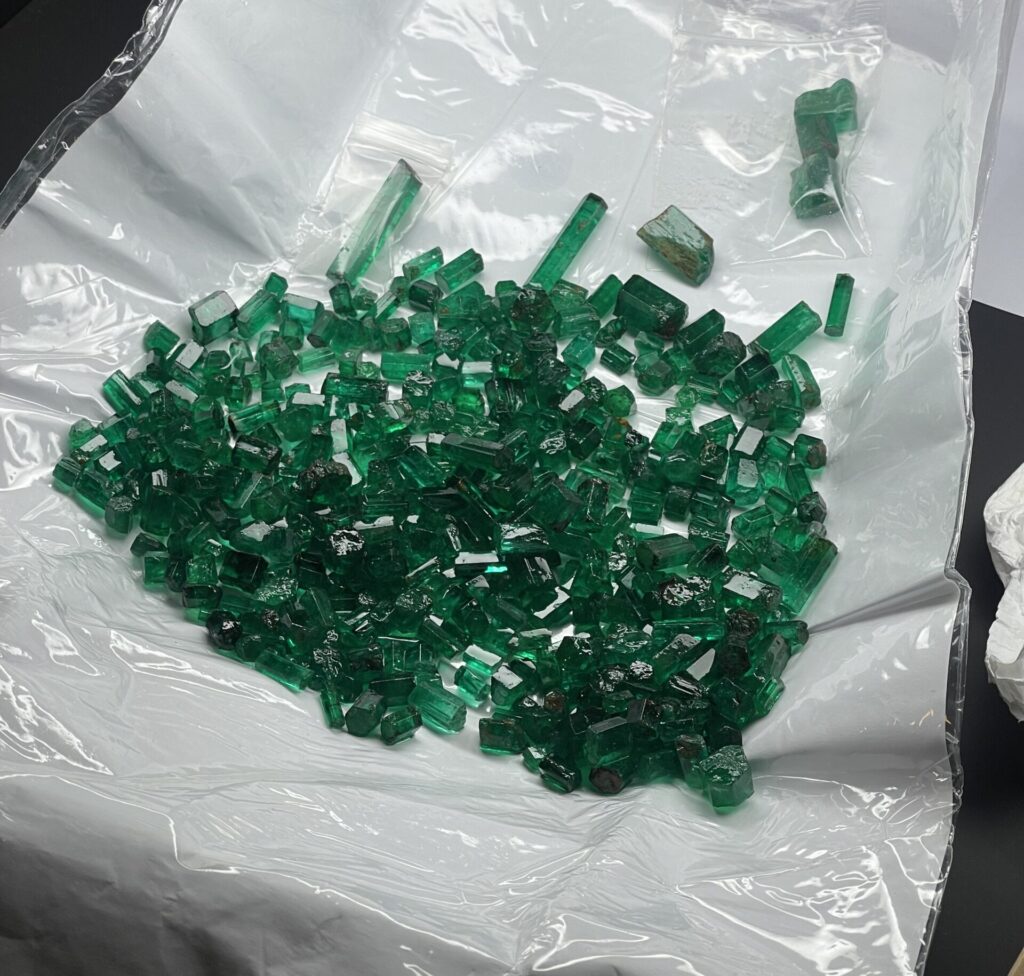
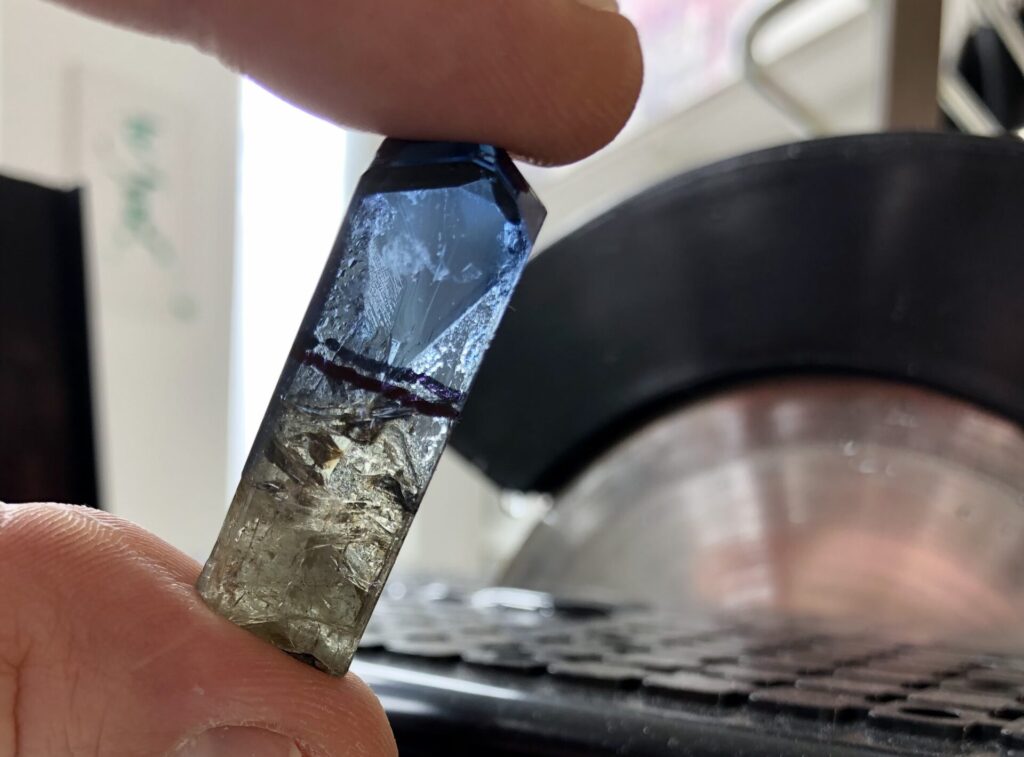
After examining the rough gemstone, the stone is marked, and a decision must be made on how to cut it to maximize its value. In this phase, factors such as the shape, the distribution and number of imperfections and inclusions are taken into account.
Sawing involves using diamond-edged tools to slice the rough gem into manageable pieces, facilitating the subsequent cutting and shaping stages. The cutting phase involves shaping the gem into its desired form, often guided by careful planning to maximize its beauty and value. However, it's crucial to note that these processes can result in significant weight loss; gemstones may lose up to 70% of their original weight during cutting and polishing.
Furthermore, the sawing and cutting stages also impact color retention in gemstones. .
Faceting
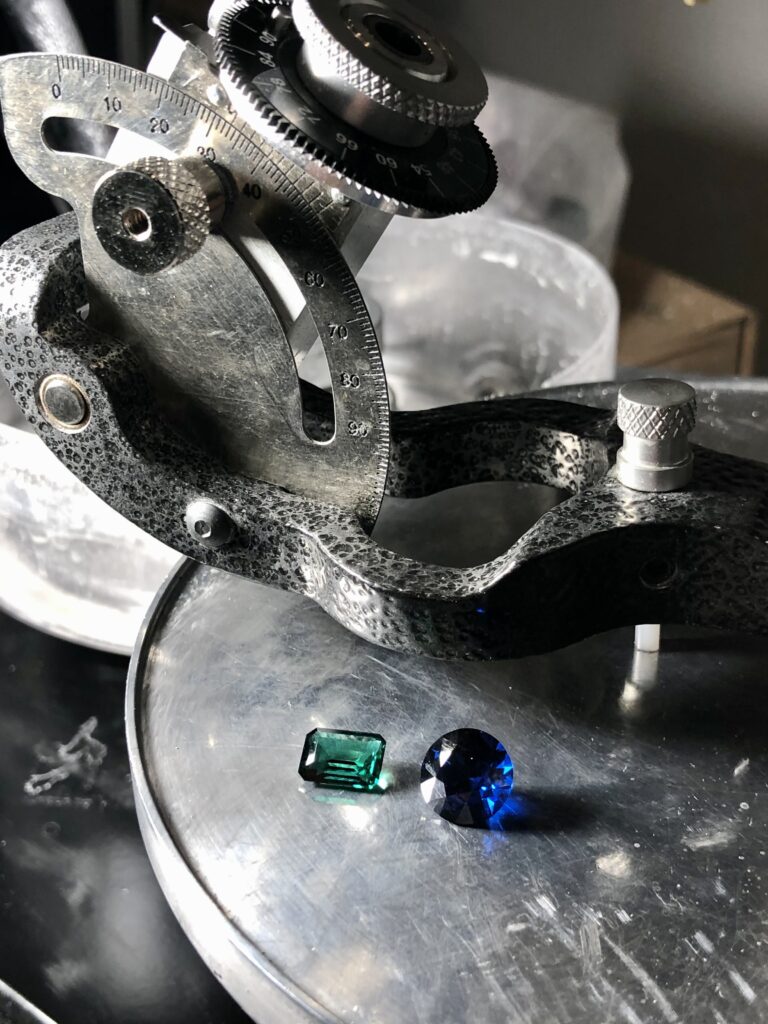
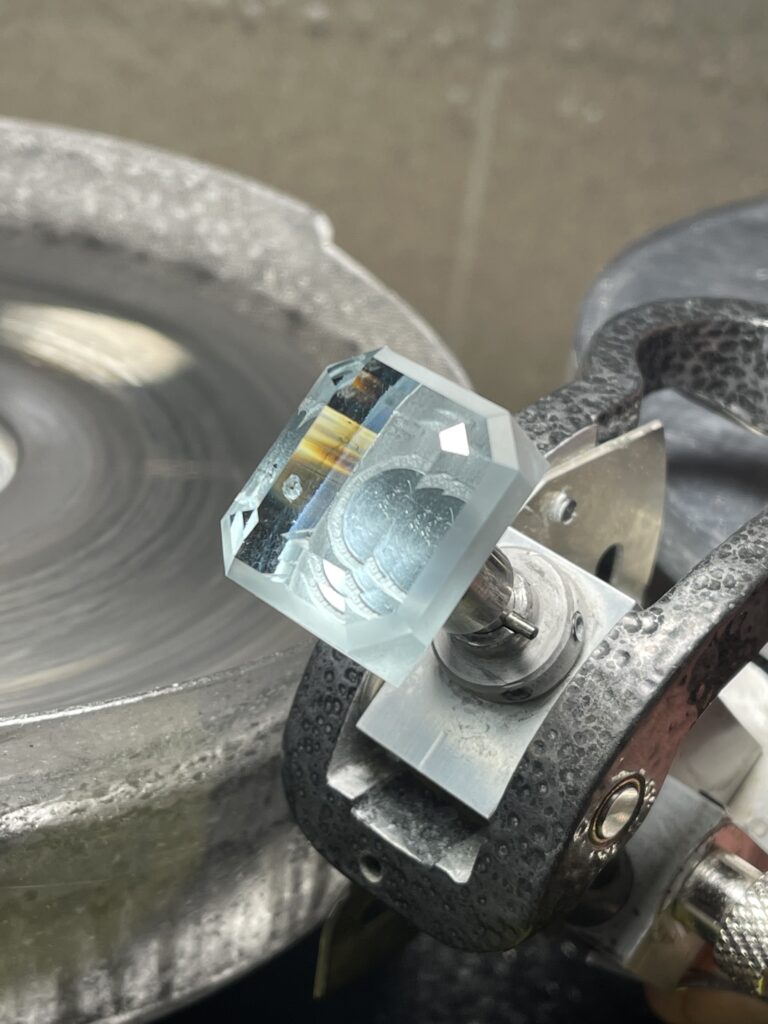
Faceting is the precise art of cutting geometric shapes, or facets, onto a gemstone's surface to enhance its brilliance. Skilled lapidaries meticulously calculate angles and proportions to optimize light reflection and dispersion, transforming rough stones into dazzling masterpieces. Through faceting, gemstones reveal their hidden radiance and captivate with mesmerizing sparkle, showcasing the craftsmanship that brings them to life.
Polishing
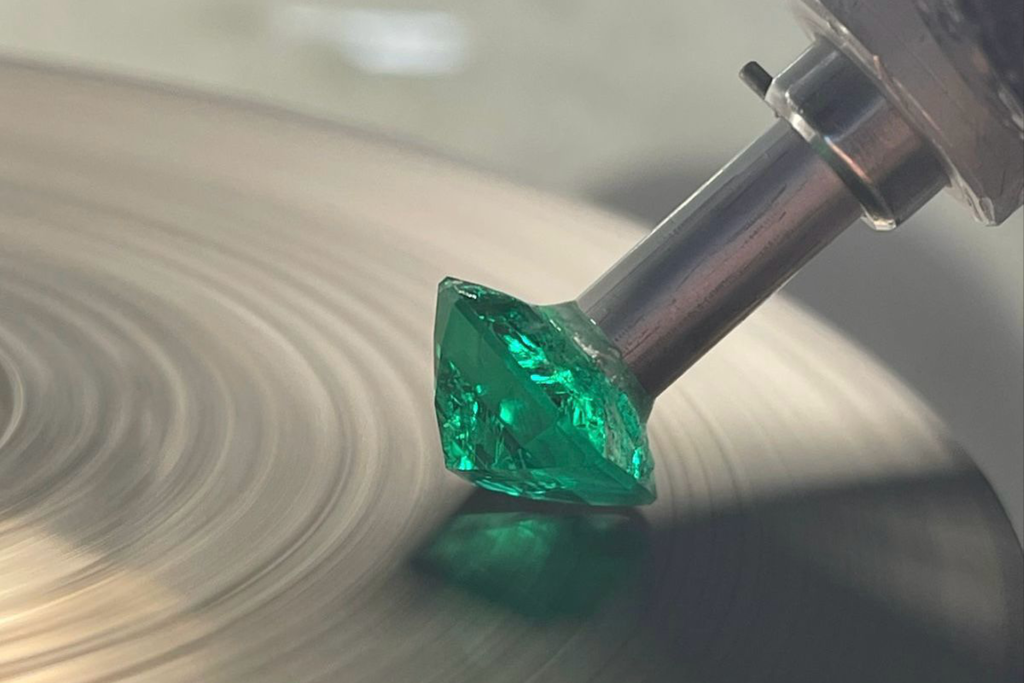
The polishing process of a gemstone is a transformative stage where rough edges and imperfections are refined to unveil its inherent brilliance. Expert polishers employ a combination of specialized tools and techniques to meticulously smooth and buff the surface, revealing the stone's vibrant colors and facets. Each stroke of the polishing wheel brings the gem closer to its full potential, enhancing its clarity and luster. This delicate process requires patience and precision as the polisher navigates the stone's unique characteristics to achieve a flawless finish.
Final Inspection
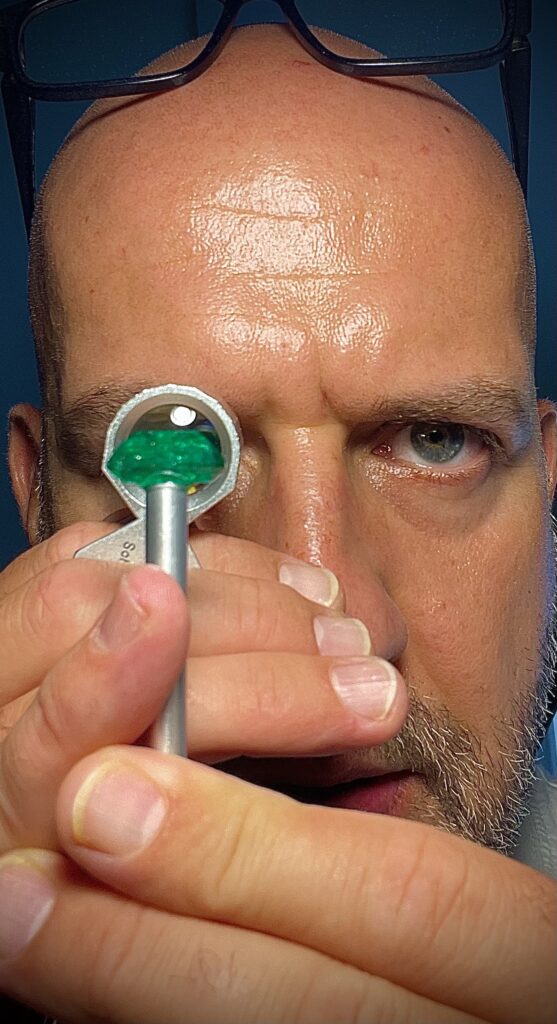
The final inspection of a gemstone is a precise and critical moment in the cutting process. Skilled artisans meticulously examine each facet for symmetry, clarity, and overall aesthetic appeal. This last assessment ensures the gem's quality and suitability for its intended use, whether as a stunning centerpiece in jewelry or a prized collectible. In this moment, the gem attains its identity, embodying the craftsmanship and artistry that went into its creation.
Interesting Facts:
Today, a combination of manual and mechanical cutting is most commonly used to minimize waste.
Hand-cut gems are more valuable than those processed by a machine. Mechanics have not yet reached the professionalism and intuition of a master cutter.
It takes 5-20 years of experience for a trained cutter to become a true master. Today, manual gemstone cutting is one of the last true artistic crafts.
The technique of hand cutting has changed minimally over centuries.
A machine can cut a gemstone within 24 hours, whereas it takes a cutter anywhere from a week to six months.